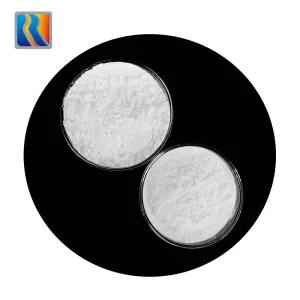
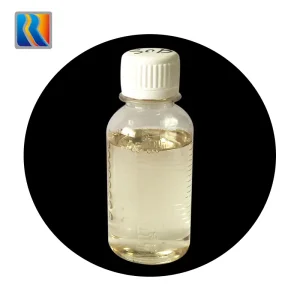
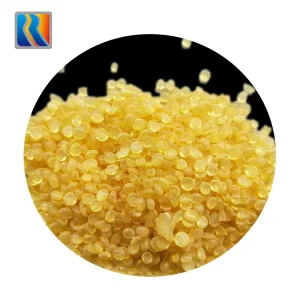
Direct factory supply of high-grade formaldehyde derivatives, resins, and specialized additives engineered for global chemical manufacturing.
Shandong Runtai New Materials Co., Ltd. leads the Asian fine chemical manufacturing sector through mega-scale production integration and state-of-the-art process automation.
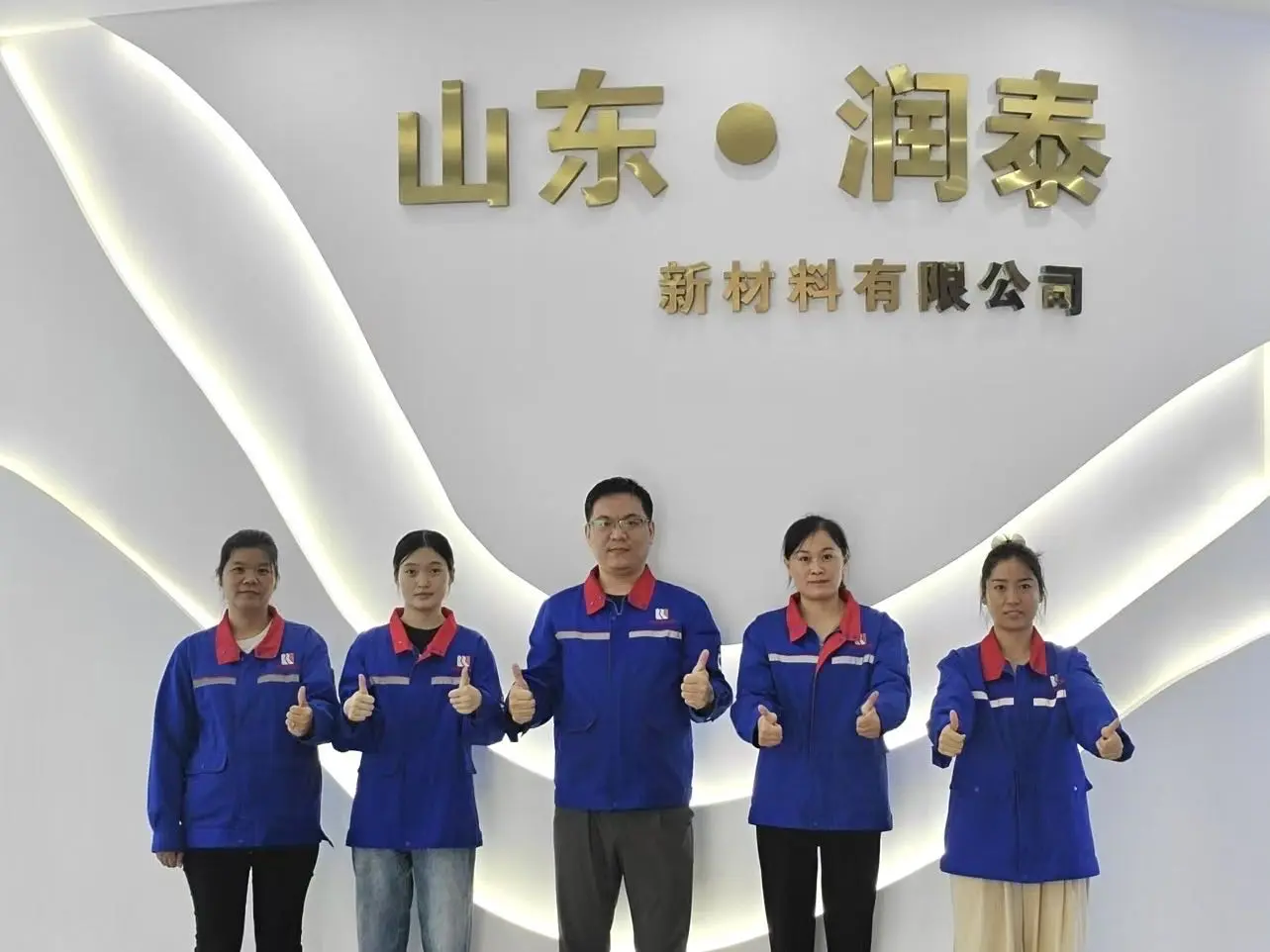
Founded in March 2020, Shandong Runtai New Materials Co., Ltd. is a comprehensive group firm specializing in high-grade fine chemical products and advanced amino resin precursors. Headquartered in Zaozhuang City, Shandong Province, the enterprise spans an expansive footprint of 270,000 square meters. Operating five strategic industrial branches nationwide, Runtai integrates scientific research, large-scale catalytic synthesis, supply chain logistics, and environmental stewardship into a unified production network.
Our core chemical infrastructure encompasses high-concentration formaldehyde production lines, solid polyformaldehyde units, urea formaldehyde resin (UFR) reactors, melamine synthesis columns, and melamine glazing powder production facilities. Built upon a 2.06 billion yuan capital foundation, our manufacturing facilities serve as critical supply nodes for global industrial buyers searching for cheap glycine formaldehyde derivatives and high-yield formaldehyde reagents.
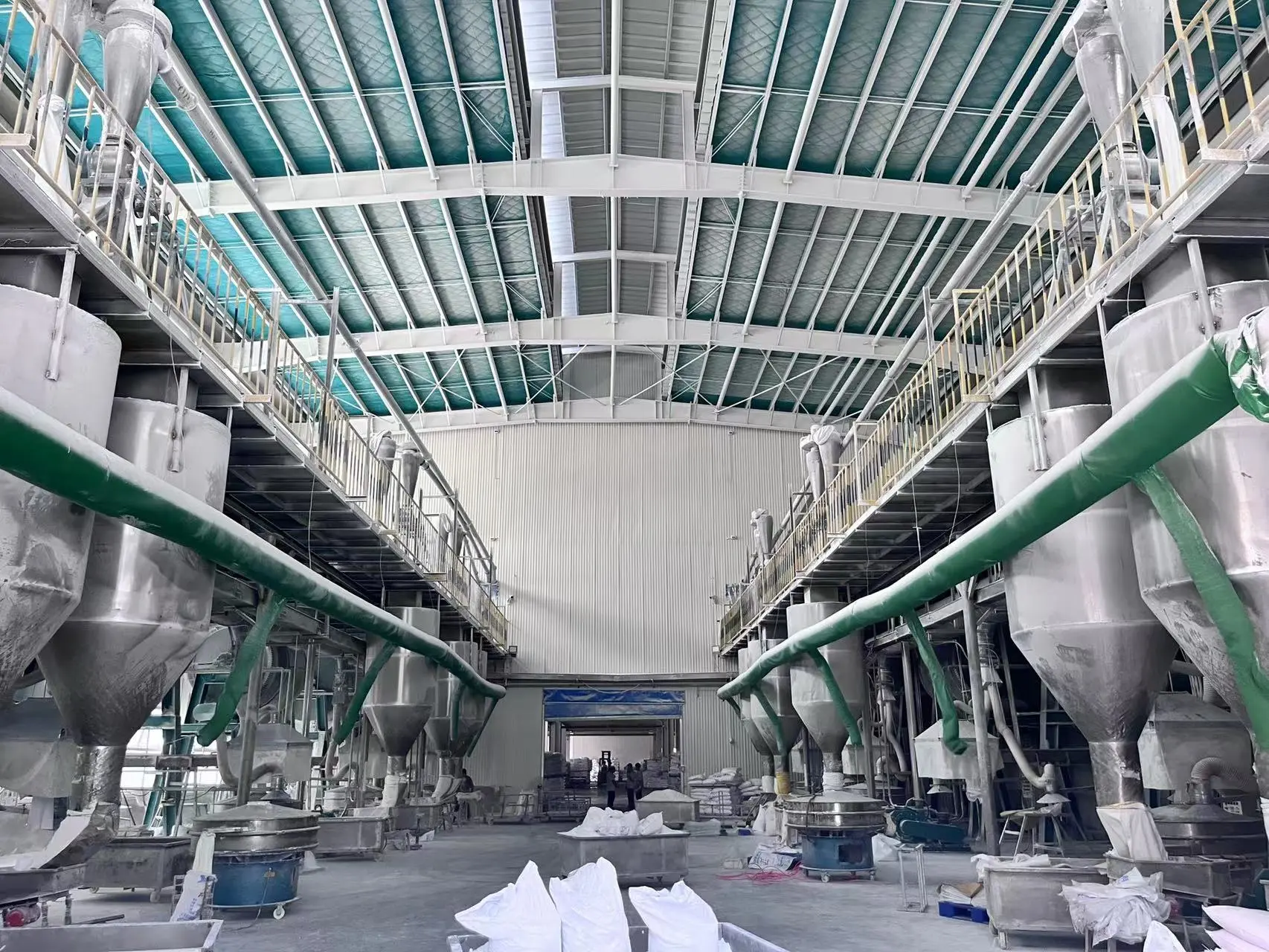
By capturing approximately 80% of China's market share in specialized formaldehyde derivative chains, Runtai has established absolute cost leadership and chemical purity stability. We actively expand our global footprint, serving enterprise clients across the United States, Thailand, Kenya, Egypt, Europe, and South America with tailored chemical solutions, custom concentrations, and bulletproof export compliance.
An in-depth analysis of reaction kinetics, hydroxymethylation adducts, Strecker synthesis pathways, and bulk procurement optimization strategies.
In global industrial procurement, search queries targeting "Cheap Glycine Formaldehyde Suppliers" reflect a dual mandate: procurement managers require aggressive cost efficiency without sacrificing stoichiometric chemical precision. Glycine (aminoacetic acid) reacting with formaldehyde yields critical hydroxymethyl amino acid intermediates, methylol derivatives, and chelating precursors utilized extensively in agrochemical synthesis (such as Glyphosate via the IDA pathway), pharmaceutical chelates, specialty thermosetting resins, and eco-friendly water treatment formulations.
When glycine reacts with aqueous formaldehyde under controlled alkaline or mild acidic conditions, it forms mono- and di-hydroxymethyl glycine adducts. These intermediate adducts act as potent formaldehyde donors, biocides, and building blocks for bio-based resins and specialty surfactants.
Glycine-formaldehyde condensation products form the fundamental chemical backbone for aminocarboxylate chelating agents (such as NTA and EDTA analogues). These compounds effectively sequester divalent and trivalent metal ions in complex industrial water systems and textile bleaching.
In modern agricultural chemistry, high-purity formaldehyde reacting with glycine derivative salts serves as the primary route for non-selective herbicide production. Unit cost reductions at the formaldehyde stage directly lower overall chemical manufacturing expenditure.
| Chemical / Parameter Grade | Formaldehyde Concentration | Methanol / Stabilizer Content | Free Acid (as Formic) | Primary Industrial Application |
|---|---|---|---|---|
| Standard Industrial Formalin | 37.0% - 50.0% ± 0.5% | 0.5% - 3.0% Max | ≤ 0.03% | Urea Formaldehyde Adhesives, Particleboard, MDF |
| High-Purity Reagent Grade | 37.0% - 44.0% | Ultra-Low (≤ 0.2%) | ≤ 0.01% | Glycine-Formaldehyde Adducts, Fine Pharma Synthesis |
| Paraformaldehyde Powder | 92.0% - 96.0% Active | N/A (Solid Polymer) | ≤ 0.05% | Anhydrous Resin Reactions, Agrochemical Synthesis |
| Modified Amino Resin Grade | 48.0% - 55.0% | Custom Stabilized | ≤ 0.02% | High-Strength Melamine & Wood Laminating Adhesives |
Aligning mass production with zero-emissions objectives, VOC mitigation, and resource recycling.
At Shandong Runtai New Materials, we strictly apply the operational principles of "automated control, safe and reliable operation, consumption reduction, and comprehensive resource utilization." Using state-of-the-art Distributed Control Systems (DCS), our engineers dynamically monitor temperature gradients, molar addition rates, system pressures, and catalytic conversion kinetics across the entire plant floor. This high degree of process control guarantees zero batch-to-batch variation, lowers raw material consumption by up to 14%, and dramatically reduces thermal energy expenditure.
Environmental compliance regulations (such as US EPA TSCA Title VI, EU REACH, and CARB Phase 2) demand strict suppression of free formaldehyde off-gassing in downstream engineered wood products and decorative laminates. Runtai’s proprietary synthesis chemistry reduces unreacted residual formaldehyde in our Urea Formaldehyde Resin (300,000 tons/yr) and Melamine Glazing Powders to micro-trace levels, enabling international buyers to meet E0 and NAF (No Added Formaldehyde) standards effortless.
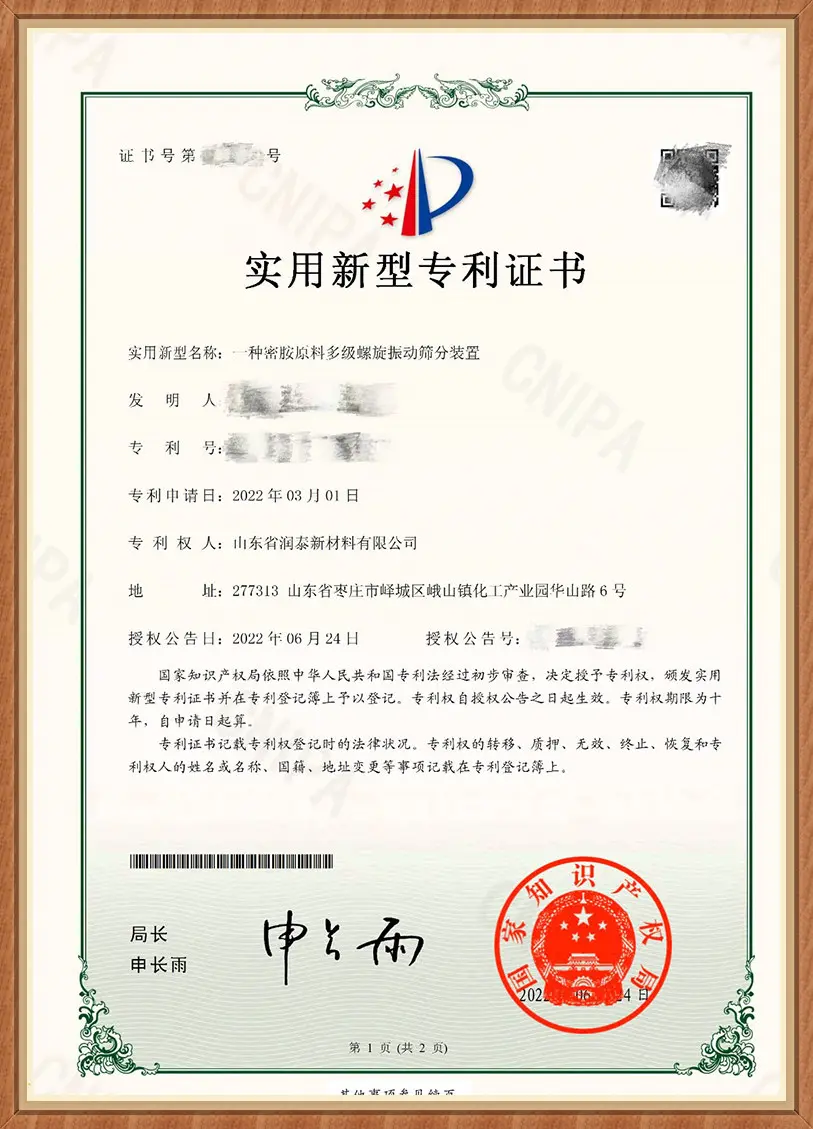
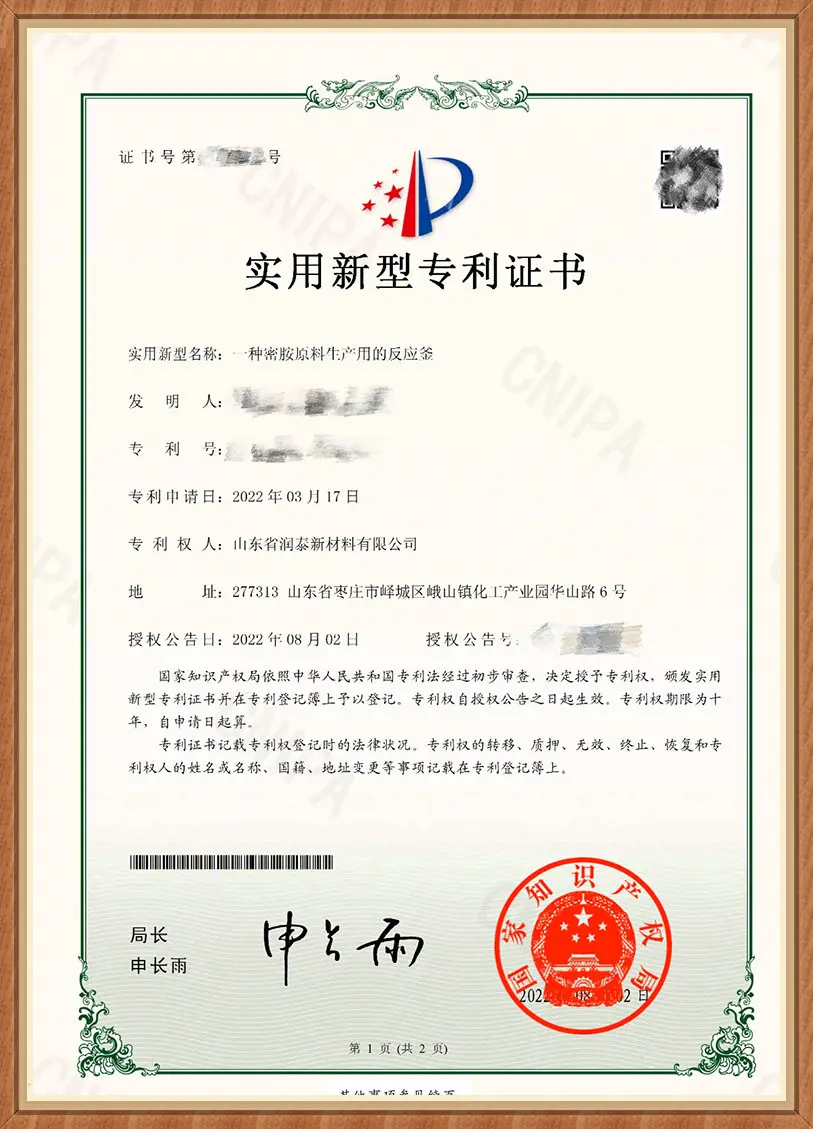
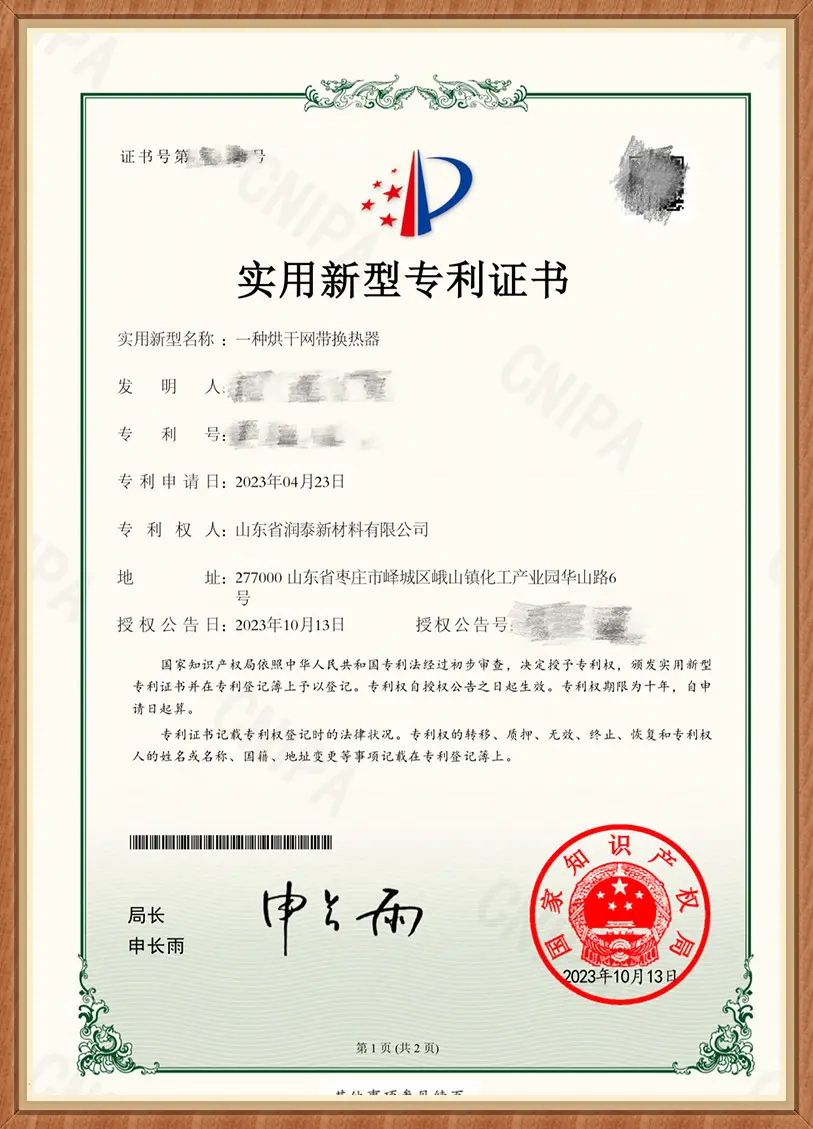
In long-term strategic partnership with the Changzhou Research Institute of Beijing University of Chemical Technology (BUCT), Runtai maintains a cutting-edge doctoral R&D research station. Holding numerous national invention patents, our research team focuses on bio-based formaldehydes, micro-channel continuous flow reactors for glycine formaldehyde adducts, and novel polymer cross-linking agents.

As an ethical chemical conglomerate, Runtai prioritizes sustainable development. Our closed-loop waste heat recovery units capture exothermic oxidation heat to generate steam for adjacent resin condensation loops. Wastewater is treated in multi-stage biological reactors, maintaining zero hazardous liquid discharge while adhering to all municipal and national environmental standards.
Detailed overview of our chemical solutions engineered for adhesives, coatings, molded tableware, and fine chemical processing.
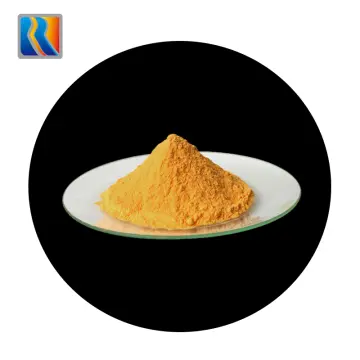
Thermosetting molding material manufactured from urea-formaldehyde resin, cellulose filler, pigments, and catalysts. Excellent electrical insulation, arc resistance, and mechanical strength for electrical switches and buttons.
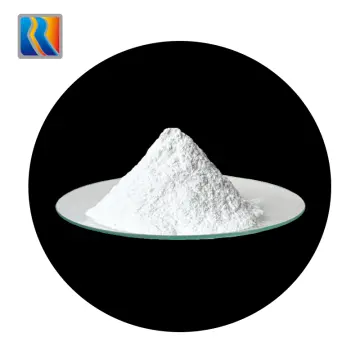
High-grade amino resin compound designed for food-contact dinnerware, kitchen utensils, and industrial hardware. Features supreme scratch resistance, boiling water resistance, and flawless surface gloss.
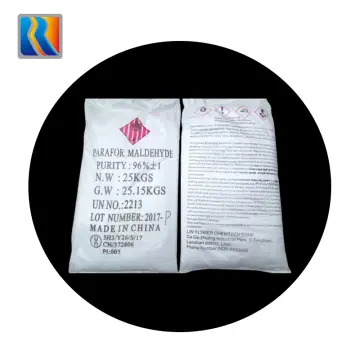
Solid polymerized formaldehyde offering low water content and fast dissolution kinetics. Ideal for agrochemical synthesis, glycine formaldehyde condensation, and anhydrous resin formulations.
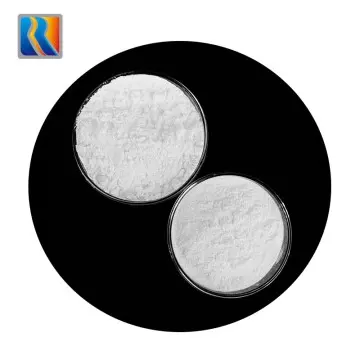
Purified melamine-formaldehyde glazing powder (20,000 tons/yr capacity). Provides a protective, lustrous, mirror-like protective coating over melamine tableware and decorative foils.
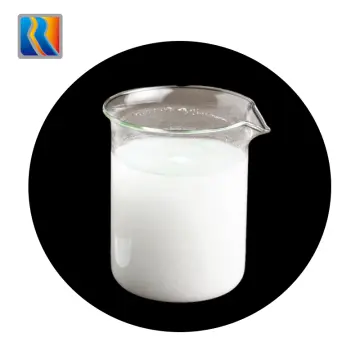
High-bonding strength adhesive produced at 300,000 tons/yr capacity. Engineered for plywood, particleboard, medium-density fiberboard (MDF), and wood furniture assembly.
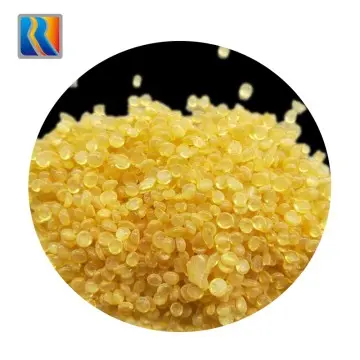
Thermosetting phenol-formaldehyde resin featuring superior thermal resistance, flame retardancy, and structural integrity under severe mechanical shear and harsh weather.
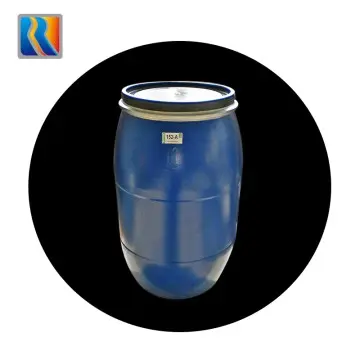
High-tack, flexible laminating adhesives engineered for multi-layer flexible food packaging, aluminum foil lamination, and industrial protective film conversion.
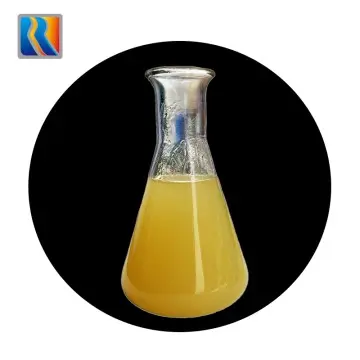
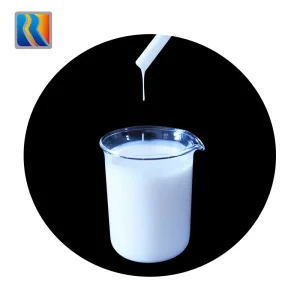
Fast-acting antifoaming agents designed to suppress micro-foam in aqueous resin reactors, papermaking pulp systems, architectural paints, and water treatment loops.
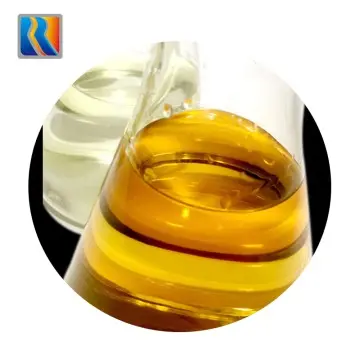
Anionic dispersing agents delivering supreme pigment wetting, viscosity reduction, and suspension stabilization in waterborne coatings and ceramic slurries.
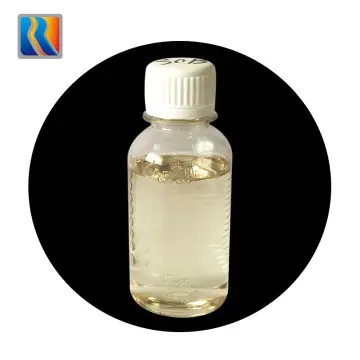
Comprehensive additive range including leveling agents, rheology modifiers, and substrate wetting agents for high-performance eco-friendly chemical coatings.
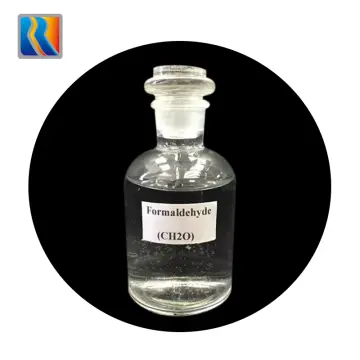
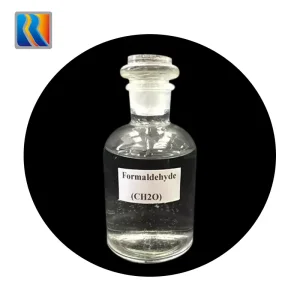
Clear, colorless aqueous formaldehyde solution manufactured via silver catalytic oxidation. Primary feedstock for chemical synthesis, resins, and glycine adducts.
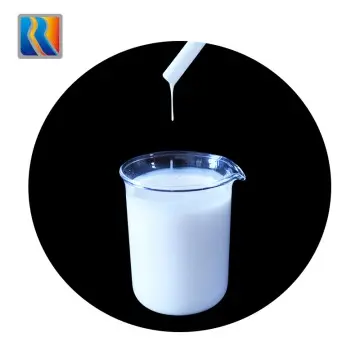
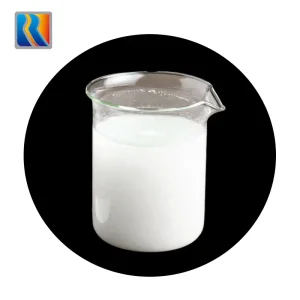
Alkali-swellable emulsion thickeners providing pseudoplastic flow, excellent sag resistance, and shear stability in emulsion paints and liquid adhesives.
Ensuring seamless overseas distribution, dangerous goods compliance, and international standard certification.
Chemical logistics require rigid temperature control, specialized ISO tank containers, and strict hazard handling protocol. Shandong Runtai operates a dedicated logistics department experienced in dangerous goods shipping (Class 8 / Class 9 hazardous materials). We provide end-to-end tracking, custom clearance documentation, COA compliance, and flexible freight options (FCL, LCL, Flexitanks, ISO Tanks) for ports across North America, Southeast Asia, the Middle East, and Africa.
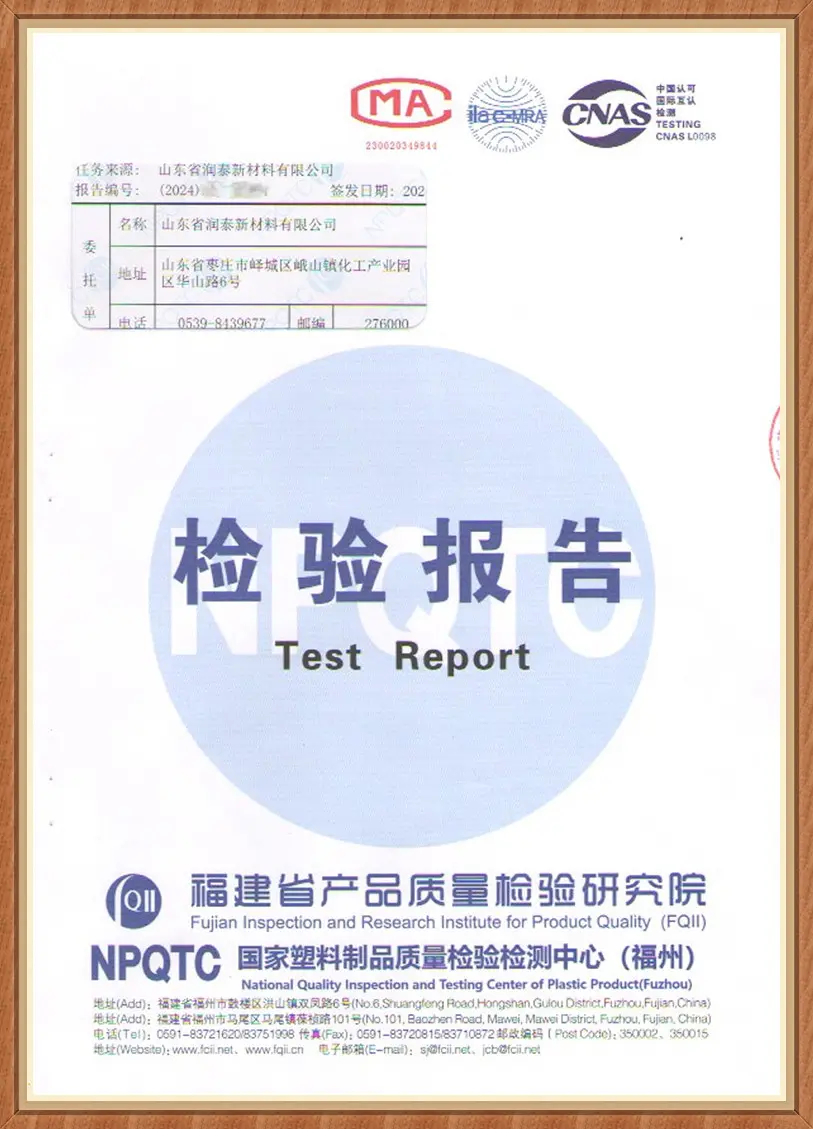
Our production sites adhere rigorously to ISO9001 Quality Management and ISO14001 Environmental Management Systems. All exported batches undergo full spectral testing—including High-Performance Liquid Chromatography (HPLC), Gas Chromatography (GC), and Karl Fischer titration—to guarantee exact assay purity, ultra-low residual formic acid, and precise formaldehyde concentration before vessel loading.
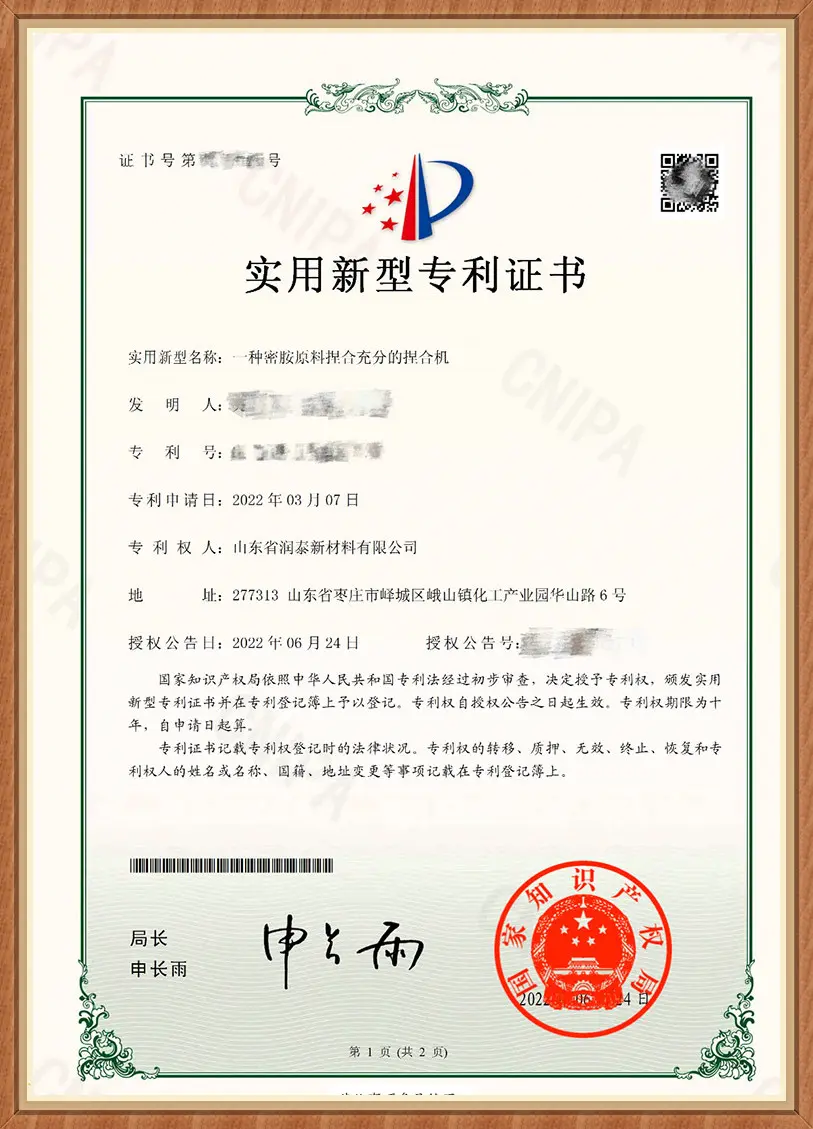
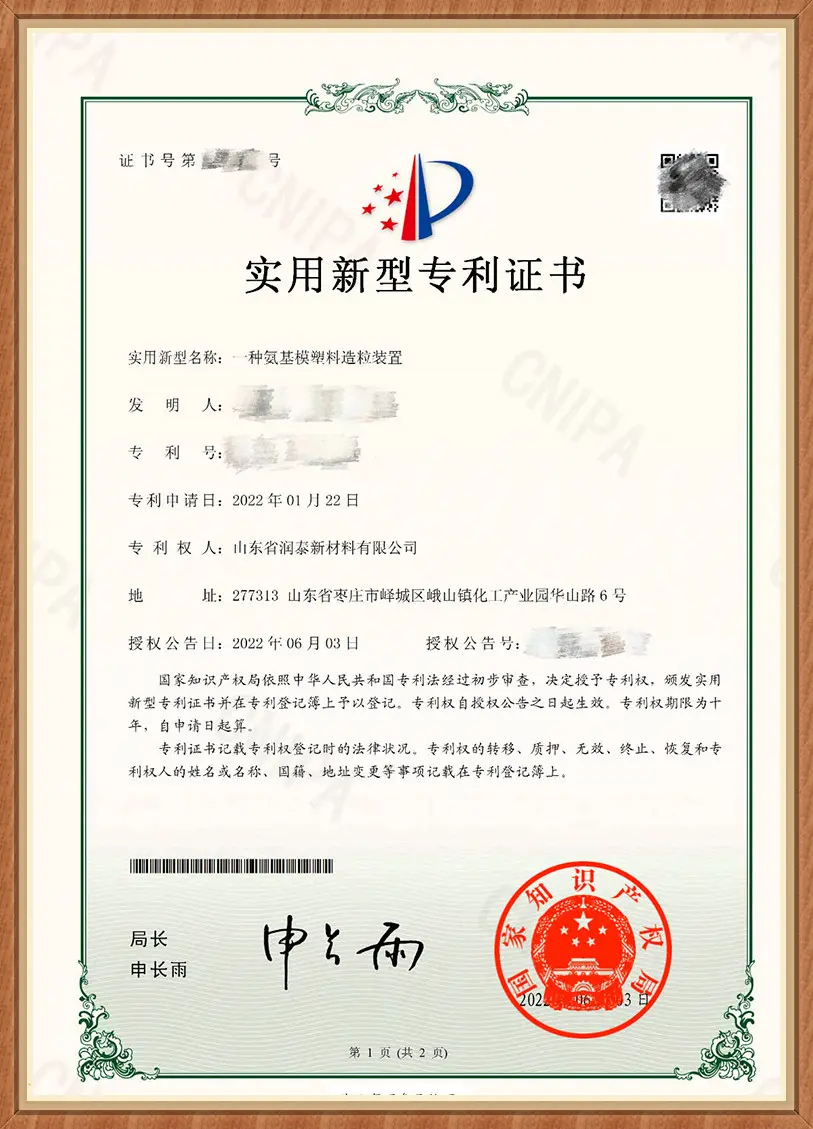
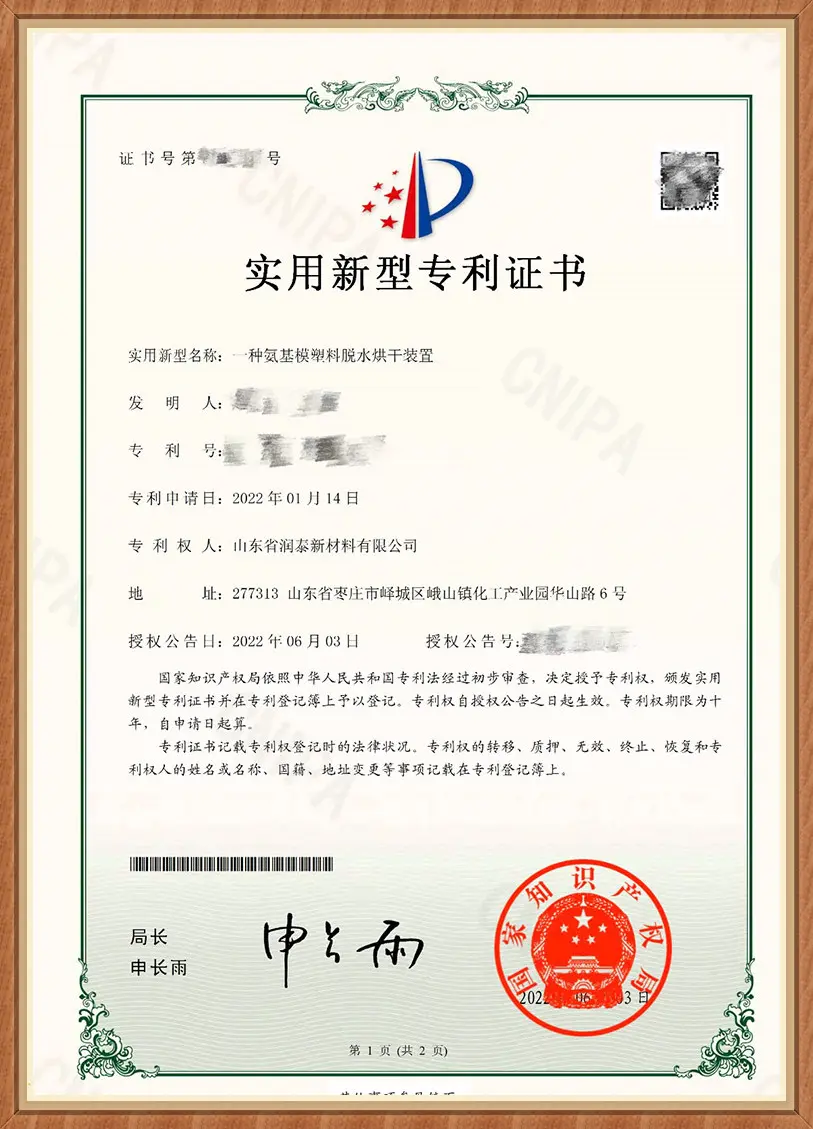
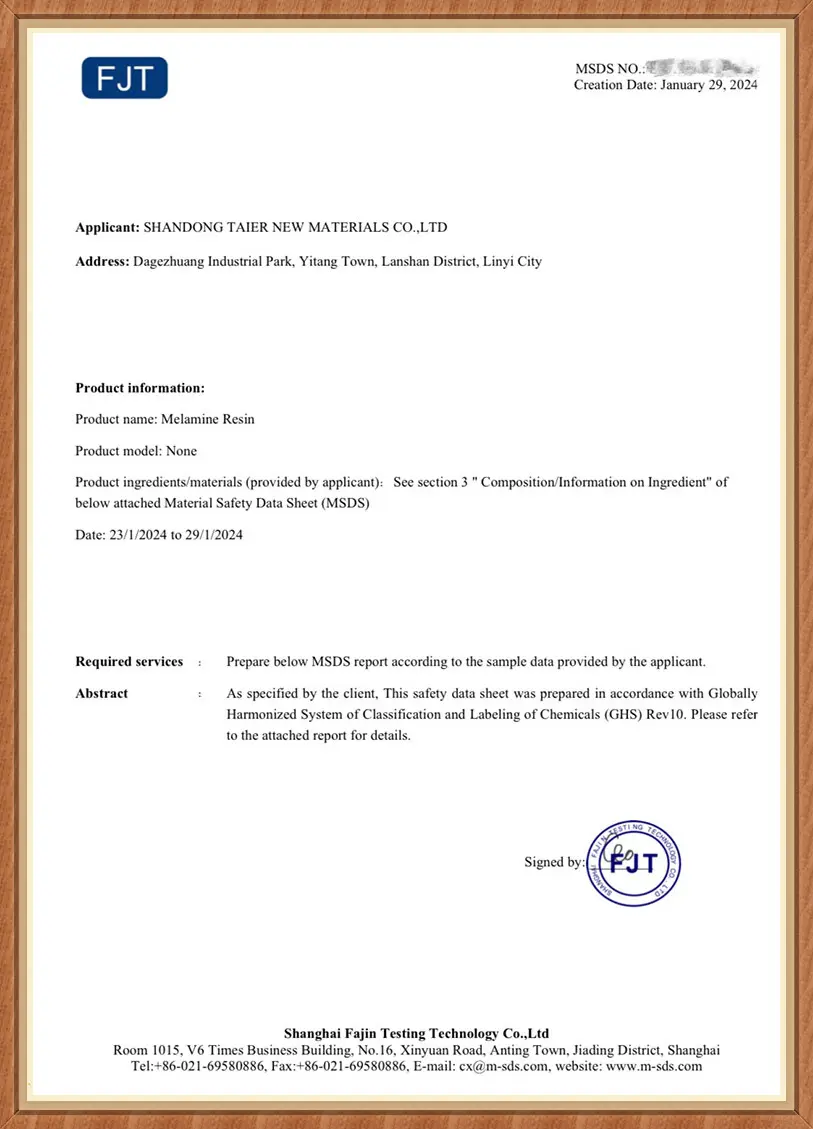
Pioneering bio-based formaldehyde feedstocks, microfluidic condensation reactors, and next-generation composite resins.
Transitioning primary raw material streams toward bio-methanol produced from captured industrial carbon dioxide and green hydrogen. This lowers the net carbon footprint of our formaldehydes by over 60%.
Implementing continuous microfluidic reactor technology for glycine-formaldehyde hydroxymethylation. This permits precise thermal regulation, eliminates side-reactions, and maximizes yield to near-theoretical thresholds.
Developing hyper-branched amino resins capable of full cross-linking at ambient temperatures while eliminating post-cure formaldehyde degassing in green building materials and aerospace laminates.
Direct technical answers for chemical procurement managers, plant engineers, and international distributors.
Connect directly with China’s leading formaldehyde and specialty amino resin manufacturing plant.
 Runtai