Choosing where to buy China’s best Stoneware Glaze Powder requires more than comparing prices. Consistent chemistry, particle size, firing range, and technical support matter just as much. A glossy sample can look convincing under showroom lights. The same glaze may crawl, pinhole, or turn cloudy in a different kiln.
Industry reports provide useful market context. Grand View Research has identified ceramics as a major global materials market, supported by construction, tableware, and technical applications. Fortune Business Insights also projects continued growth in the global ceramics sector through the decade. These reports describe broad market value, not supplier quality. That distinction is easy to miss.
Tony Hansen, a recognized ceramic materials specialist and founder of Digitalfire, has repeatedly emphasized this practical principle: “A glaze is not a recipe; it is a chemistry.” Buyers should therefore request a technical data sheet, safety data sheet, batch number, and representative fired samples. Ask for test tiles fired near your actual cone temperature. Check color stability, surface defects, sieve residue, and fit with your clay body.
Reliable Chinese manufacturers should explain their raw materials and quality-control process clearly. They should also answer uncomfortable questions about variation between batches. No supplier wins every test. I have seen attractive samples fail after transportation, storage, or a small firing change. That is why this guide compares manufacturers through evidence, not promotional language. The best purchase is not always the cheapest bag. It is the powder that performs predictably in your kiln, application, and production schedule.
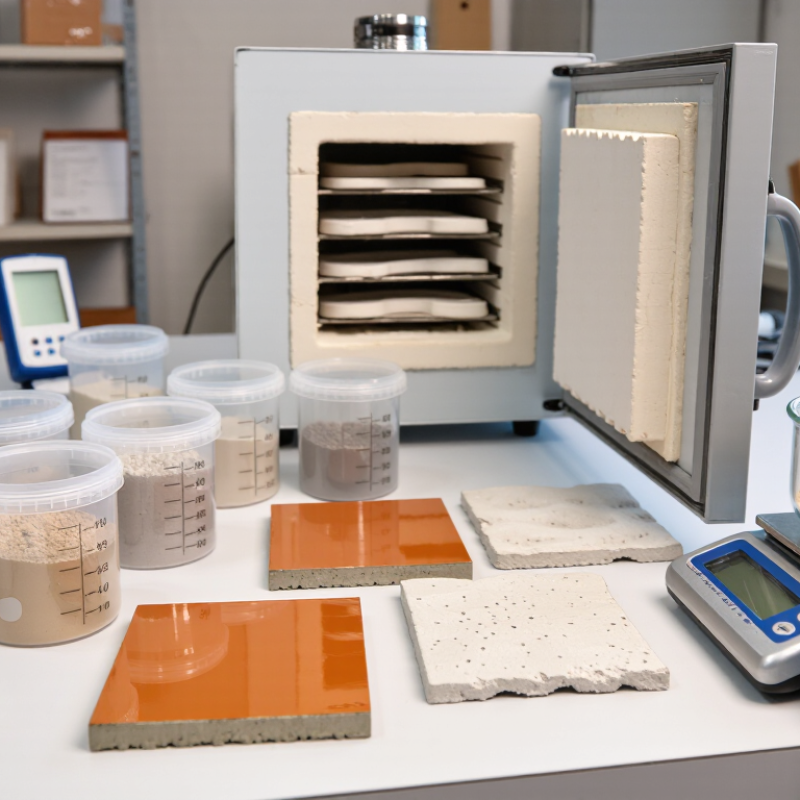
Stoneware glaze powder is a dry ceramic coating material designed for mid- to high-temperature firing. It commonly contains silica, alumina, fluxes, and carefully measured colorants. The balance controls melting, surface texture, durability, and final color. Most stoneware glazes mature between about 1,180°C and 1,300°C, but the supplier’s firing schedule remains essential. Small differences matter.
Potters use the powder on mugs, bowls, plates, tiles, and sculptural forms. After mixing with water, the glaze can be brushed, dipped, or sprayed onto bisque-fired clay. A thin layer may look pale before firing and become glossy, satin, or textured inside the kiln. I usually test three coats on a small tile first. My first trial was too thick and ran onto the kiln shelf. That mistake was avoidable.
When buying from China, request a technical data sheet, safety information, recommended firing range, and sample quantity. Ask about sieve residue, batch consistency, packaging, and moisture protection during shipping. Clear communication helps, especially when discussing glaze expansion and clay compatibility. A reliable supplier should explain mixing ratios and provide test results without making unrealistic promises. Check the powder under proper ventilation and avoid creating airborne dust. Some surfaces may craze, pinhole, or change color after firing. Even experienced potters need repeated tests because local clay bodies and kiln atmospheres behave differently. A sample is cheaper than repairing a full dinnerware set.
| Evaluation Dimension | Typical Data or Specification | Why It Matters | What to Check Before Buying |
|---|---|---|---|
| Material Definition | Stoneware glaze powder is a dry blend of glass-forming materials, fluxes, stabilizers, colorants, and other ceramic additives. | The formulation determines melting behavior, surface appearance, durability, and compatibility with the clay body. | Request the technical data sheet, ingredient information where available, and recommended firing conditions. |
| Typical Stoneware Firing Range | Approximately 1,180–1,280°C, depending on the glaze formula, clay body, kiln atmosphere, and firing schedule. | A glaze must mature within the same temperature range as the selected stoneware clay. | Confirm the recommended cone or temperature range and test the powder on the intended clay body. |
| Transparent Glaze Powder | Clear or lightly tinted finish that allows the color and texture of the ceramic body or decoration to remain visible. | Useful for preserving underglaze decoration, colored slips, and textured surfaces. | Check clarity, tendency to cloud, pinholing performance, and compatibility with decorative layers. |
| Opaque or Satin Glaze Powder | Contains opacifying or surface-modifying components to create a solid-color, satin, or softly reflective finish. | Suitable for tableware, decorative ceramics, tiles, and products requiring consistent color coverage. | Ask for fired color samples, surface gloss information, recommended application thickness, and batch consistency data. |
| Matte Glaze Powder | Designed to produce a low-gloss or non-gloss surface through controlled crystal formation or glass chemistry. | Provides a softer visual effect and tactile surface for artistic and functional ceramic products. | Evaluate surface roughness, cleanability, staining resistance, and whether the finish is suitable for food-contact use. |
| Common Application Methods | The powder is commonly mixed with water and applied by dipping, pouring, brushing, or spraying after proper sieving. | Different methods require different slurry viscosity, density, settling control, and application thickness. | Confirm recommended water addition, mixing procedure, sieve mesh, specific gravity, and drying behavior. |
| Main Ceramic Uses | Tableware, mugs, bowls, vases, tiles, sanitary ceramic items, artistic pottery, and decorative stoneware. | The final use determines the required chemical durability, surface quality, thermal performance, and regulatory documentation. | Specify whether the finished product needs food-contact suitability, dishwasher resistance, acid resistance, or outdoor durability. |
| Quality Indicators | Uniform powder particle size, stable chemical composition, low contamination, predictable melting, and consistent fired appearance. | Consistent raw materials reduce defects such as crawling, blistering, pinholes, uneven color, and excessive running. | Request a certificate of analysis, batch records, particle-size information, moisture content, and retained sample policy. |
| Recommended Purchasing Channels in China | Specialized ceramic raw-material distributors, industrial ceramic suppliers, export marketplaces, and direct powder manufacturers. | Different channels offer different levels of customization, minimum order quantity, technical support, and export service. | Compare technical documentation, sample availability, production capacity, packaging, lead time, export terms, and quality-control procedures. |
| Packaging and Storage | Moisture-resistant bags or lined cartons are commonly used; powder should be stored sealed, dry, and away from contamination. | Moisture uptake and contamination can affect dispersion, slurry stability, and firing results. | Check net weight, lot number, production date, shelf-life guidance, pallet protection, and transport conditions. |
| Safety and Compliance | Dry ceramic powders may generate airborne dust; some formulations may contain regulated or hazardous raw materials. | Proper handling protects workers and helps ensure that finished products meet intended safety requirements. | Request the safety data sheet, applicable heavy-metal information, food-contact documentation when required, and safe-handling instructions. |
Note: Firing temperature, glaze behavior, color, and suitability vary by formulation and kiln conditions. Always conduct laboratory and production-scale tests before placing a large order.
It is a dry ceramic coating for mid- to high-temperature firing. It usually contains silica, alumina, fluxes, and colorants. The formula affects melting, texture, durability, and color.
Many stoneware glazes mature between 1,180°C and 1,300°C. Always follow the supplier’s firing schedule. Small temperature differences can change the surface.
Potters use it on mugs, bowls, plates, tiles, and sculptures. Apply it after the clay has been bisque-fired. The same glaze may look different on each clay body.
Mix the powder with water using the recommended ratio. Then brush, dip, or spray it onto the bisque ware. Test three thin coats on a small tile. Thin layers help reduce running.
The glaze may craze, pinhole, crawl, run, or change color. A thick coat can stick to the kiln shelf. I once applied too much. That test was avoidable.
Request the technical data sheet and safety information. Ask for the firing range, dosage, particle size, and moisture content. A sample of 500 grams to 2 kilograms is practical. Use the same production batch for testing.
Apply it to your actual stoneware clay body. Use your normal kiln curve and application thickness. Compare gloss, color, crawling, and surface texture. One test is not enough.
Review registered business details, production address, and shipping records. Ask for an invoice, packing list, origin certificate, and batch record. Confirm moisture-resistant inner bags and strong outer cartons. Confident emails are not proof.
Video inspection can show labels, packaging, and loading conditions. However, staged evidence remains possible. A third-party inspection offers stronger verification. It may cost more. That trade-off deserves consideration.
Work with proper ventilation and avoid airborne dust. Follow the supplier’s safety instructions during mixing and storage. Keep the powder sealed and dry. I would not rely on appearance alone.
This guide explains what Stoneware Glaze Powder is, how it is used to create durable, attractive ceramic surfaces, and why its composition matters for firing performance, color consistency, adhesion, and finish. It also outlines the main factors to consider when evaluating suppliers in China, including raw-material control, technical experience, product stability, testing procedures, packaging, communication, and customization options.
Readers will learn how to identify reliable China-based stoneware glaze manufacturers and compare suppliers according to quality, safety documentation, pricing, production capacity, and minimum order requirements. The guide also recommends a practical purchasing process: request technical specifications, confirm applicable testing and export documents, order samples, evaluate firing results under relevant kiln conditions, and verify the supplier’s ability to handle secure packaging, consistent production, and international delivery. By following these steps, buyers can reduce sourcing risks and select a dependable partner for their ceramic glaze requirements.

 Runtai